The Rise to the “Perfect Crop”
History of Soybeans
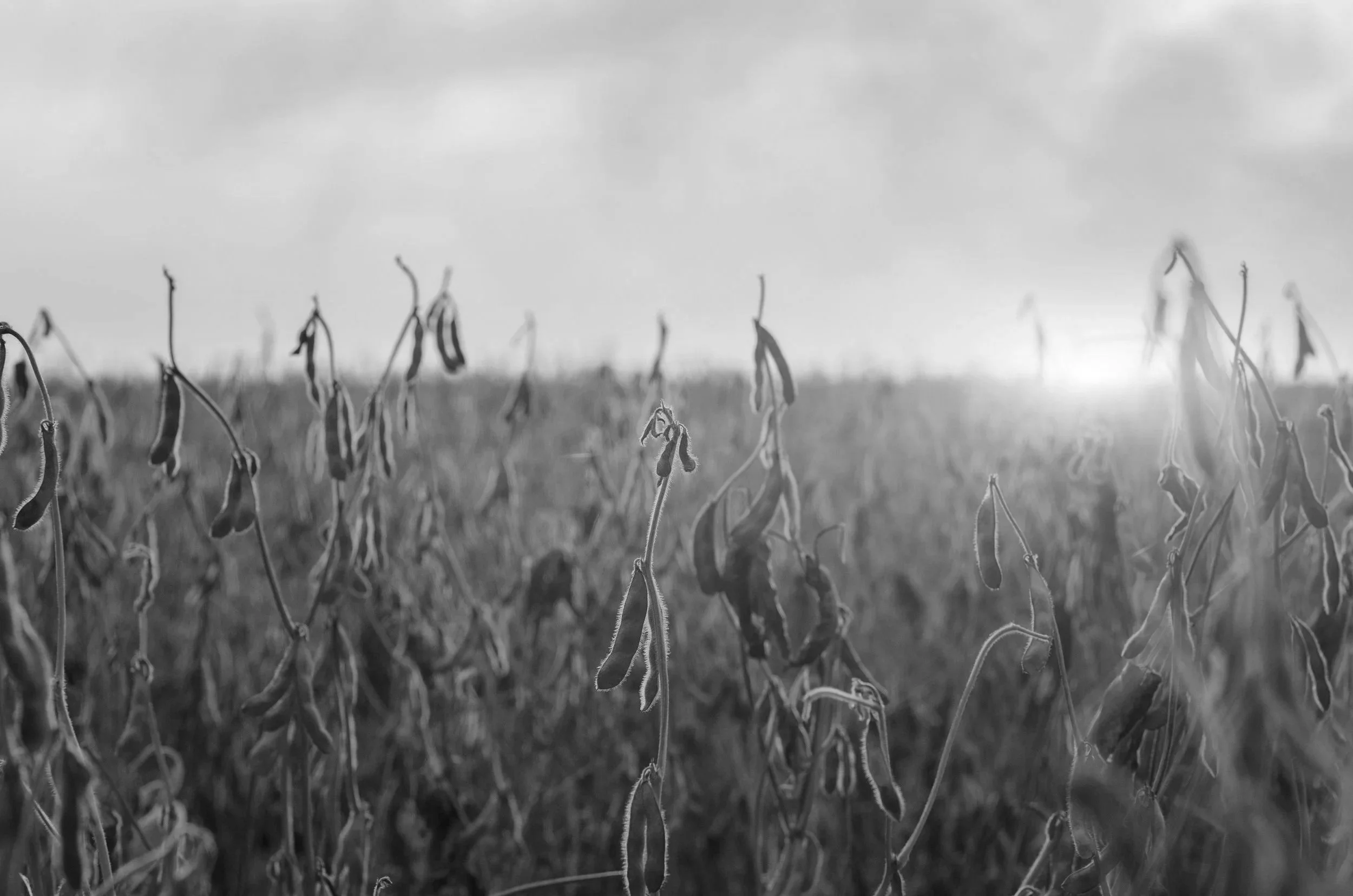
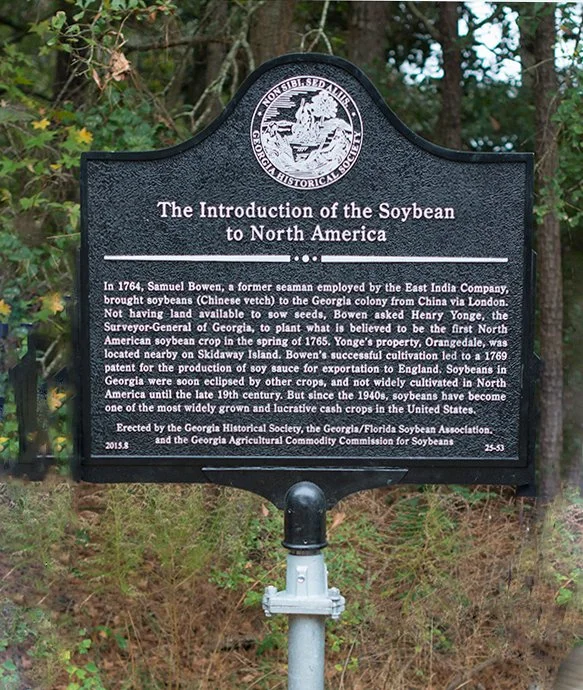
Soybeans originated in Southeast Asia and were first domesticated by Chinese farmers around 1100 BC. By the first century AD, the crop had spread to Japan and other countries across Asia. It wasn’t until 1765 that soybean seeds arrived in the Americas, when a colonist in Georgia planted seed from China. Though soy sauce was already known in Europe and the colonies, the plant itself remained rare. In 1851, seeds were distributed to farmers in Illinois and the Corn Belt—reportedly from a rescued Japanese fisherman—marking the first steps toward American soybean farming.
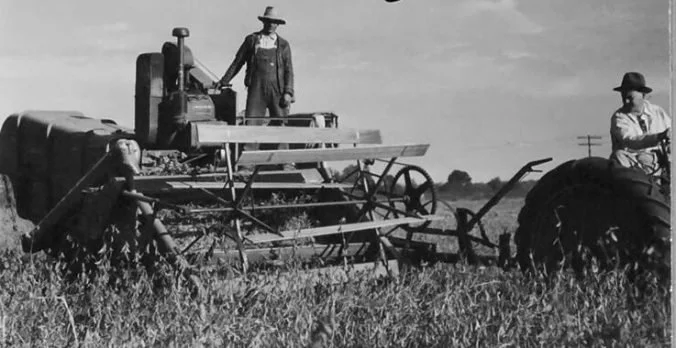
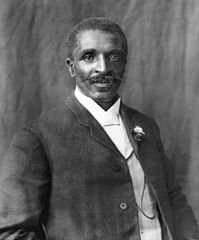
By the 1870s, soybeans gained popularity as livestock forage, thriving in the hot, humid conditions of states like North Carolina. Around the turn of the century, the U.S. Department of Agriculture began encouraging farmers to grow soybeans as animal feed. In 1904, George Washington Carver discovered their value not only as a source of protein and oil but also as a soil-enriching crop, leading to his famous crop rotation system that revitalized cotton farming in the South. In 1919, William Morse co-founded the American Soybean Association and later collected over 10,000 varieties of soybeans from China to expand research and improve yields.
Soybean production in the U.S. accelerated during the 1940s when World War II disrupted supply from China, driving demand for soybean-based oils, lubricants, and plastics. After the war, prosperity and rising meat consumption further boosted soybean meal production for livestock feed. Innovators like Henry Ford also explored soy’s potential—using it to make plastics and car parts as early as the 1930s. By the 1990s, biotechnology transformed the crop once again, as scientists developed herbicide-tolerant soybeans that increased yields, reduced erosion, and improved efficiency on farms.
Today, soybeans are a cornerstone of American agriculture, grown in 31 states, with Iowa, Illinois, Indiana, and Minnesota leading production. North Carolina, while producing less volume, plays a vital role as both a grower and a major consumer due to its large pork and poultry industries. Many North Carolina farmers grow soybeans alongside crops like corn, wheat, cotton, sweet potatoes, and peanuts—making soy an integral part of the state’s diverse and productive agricultural landscape