
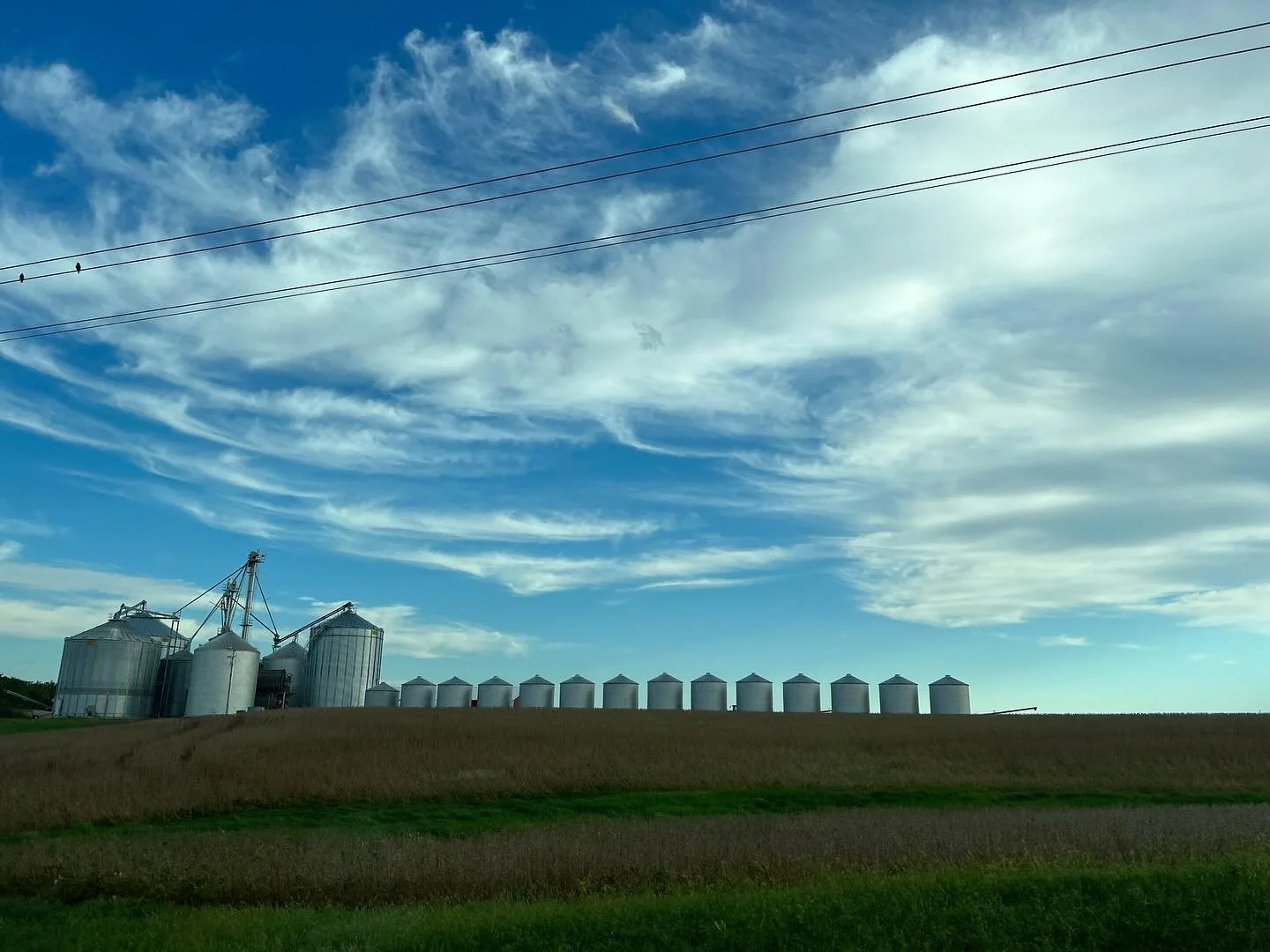
After Harvest
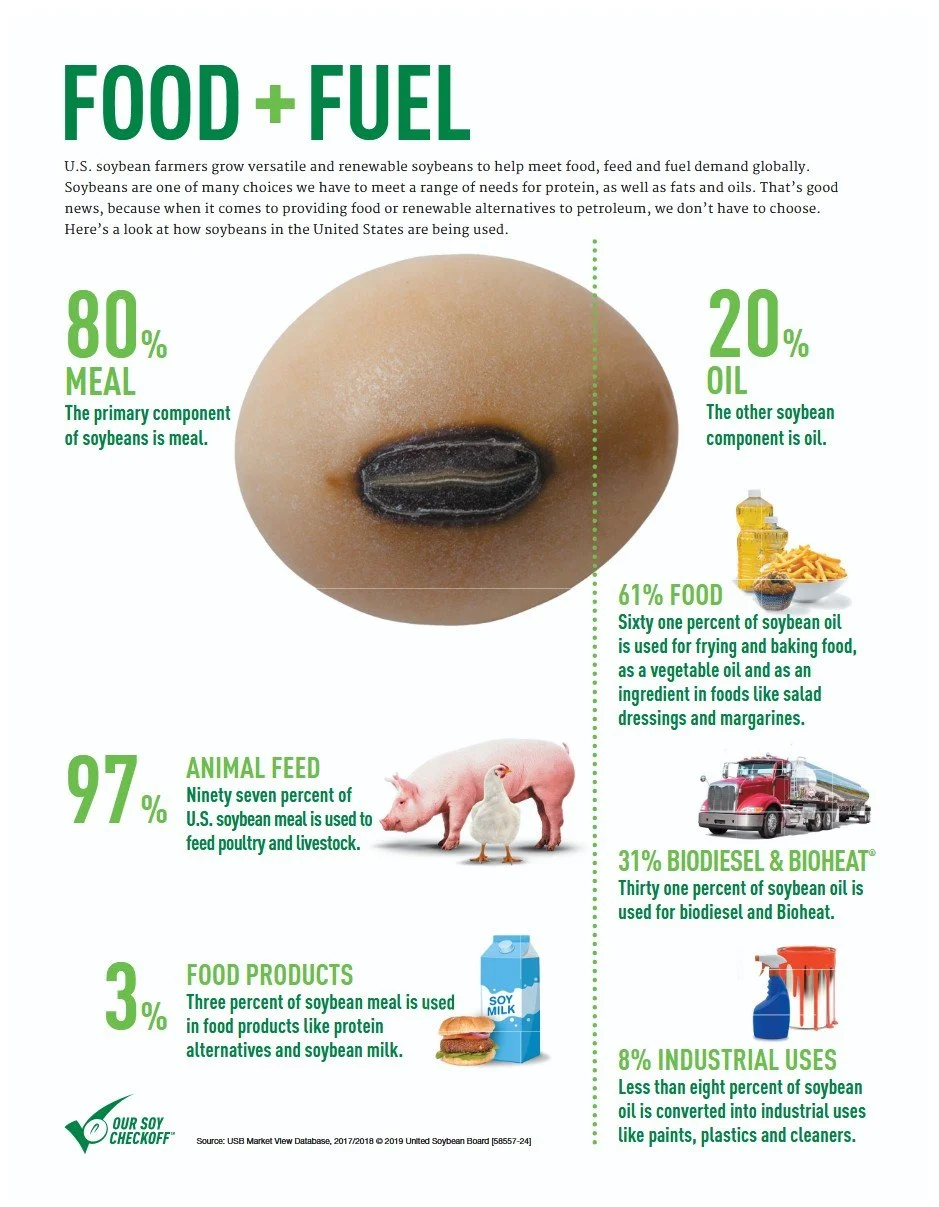
After harvest, soybeans are either stored in grain bins or sent to processing plants, such as Cargill in North Carolina. At these facilities, the beans are separated into soybean meal and oil. From a single 60-pound bushel, processing yields roughly 11 pounds of crude soybean oil and 47 pounds of soybean meal.
Because soymeal is high in quality protein and easily digestible energy, most of it is used as animal feed, providing essential nutrition for livestock. A portion of the meal is also used to make soy-based foods, such as tofu and soy milk. The extracted soybean oil has a wide range of uses, including cooking oil, biodiesel and bioheat, as well as non-toxic industrial products like paints and household cleaners.
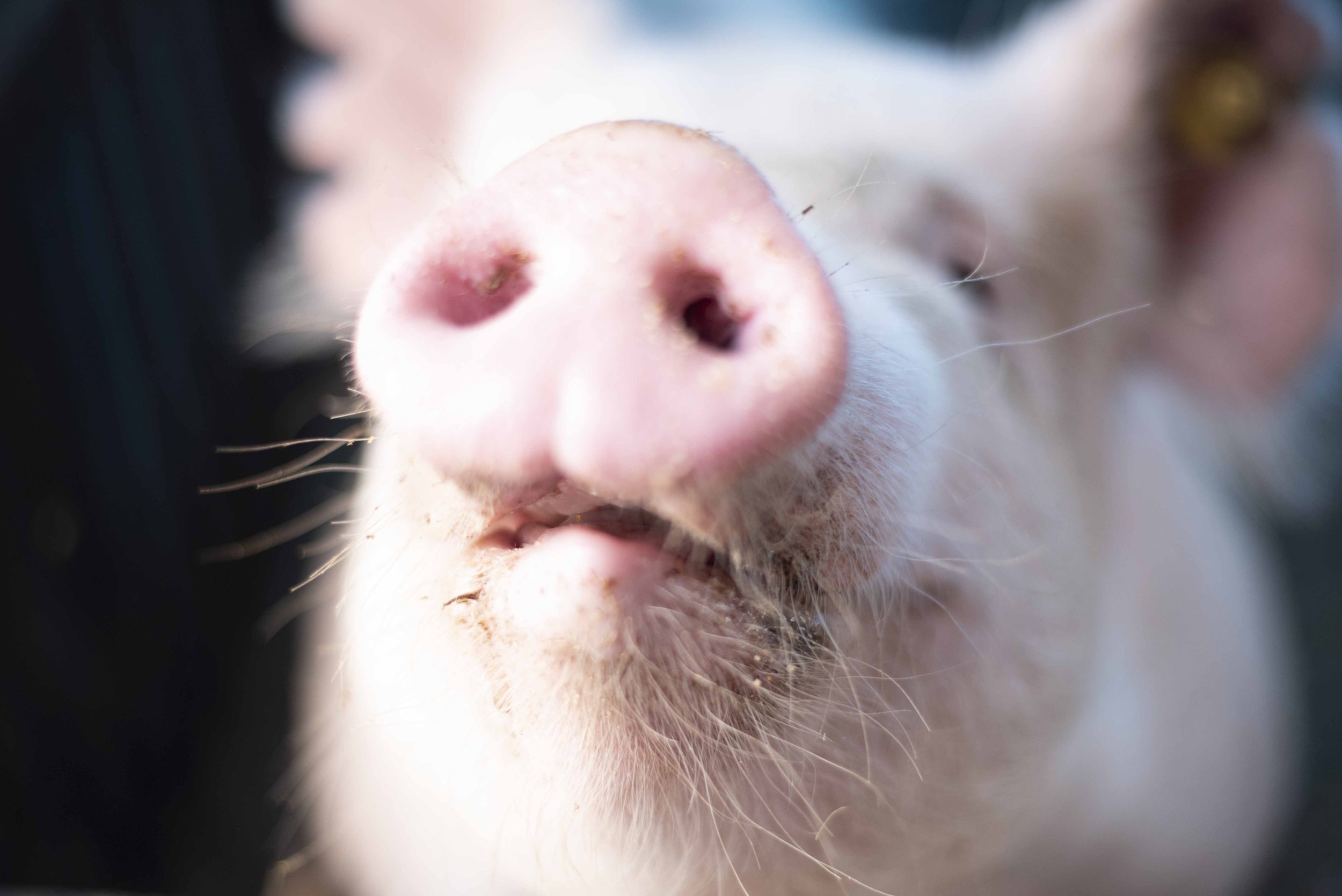
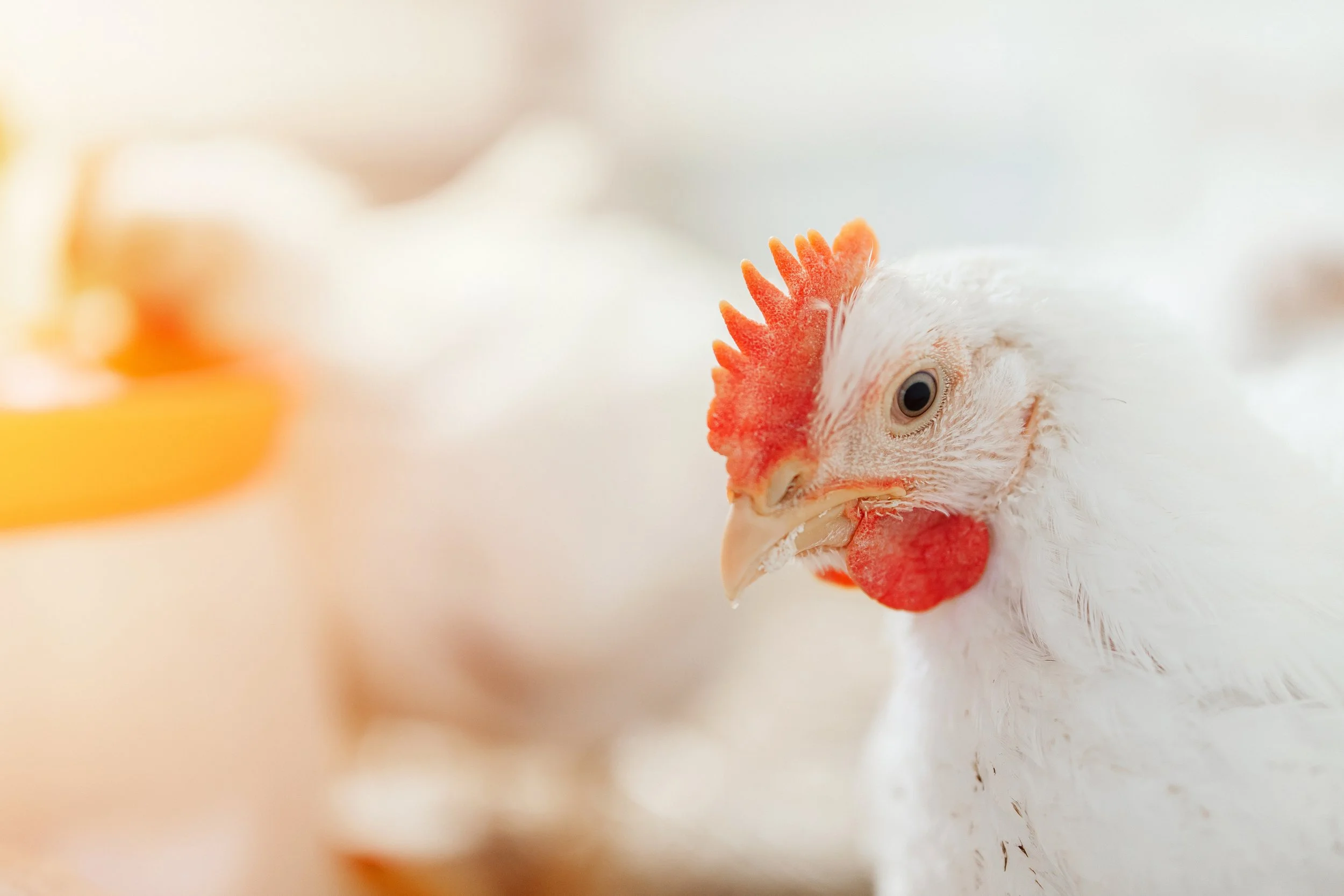
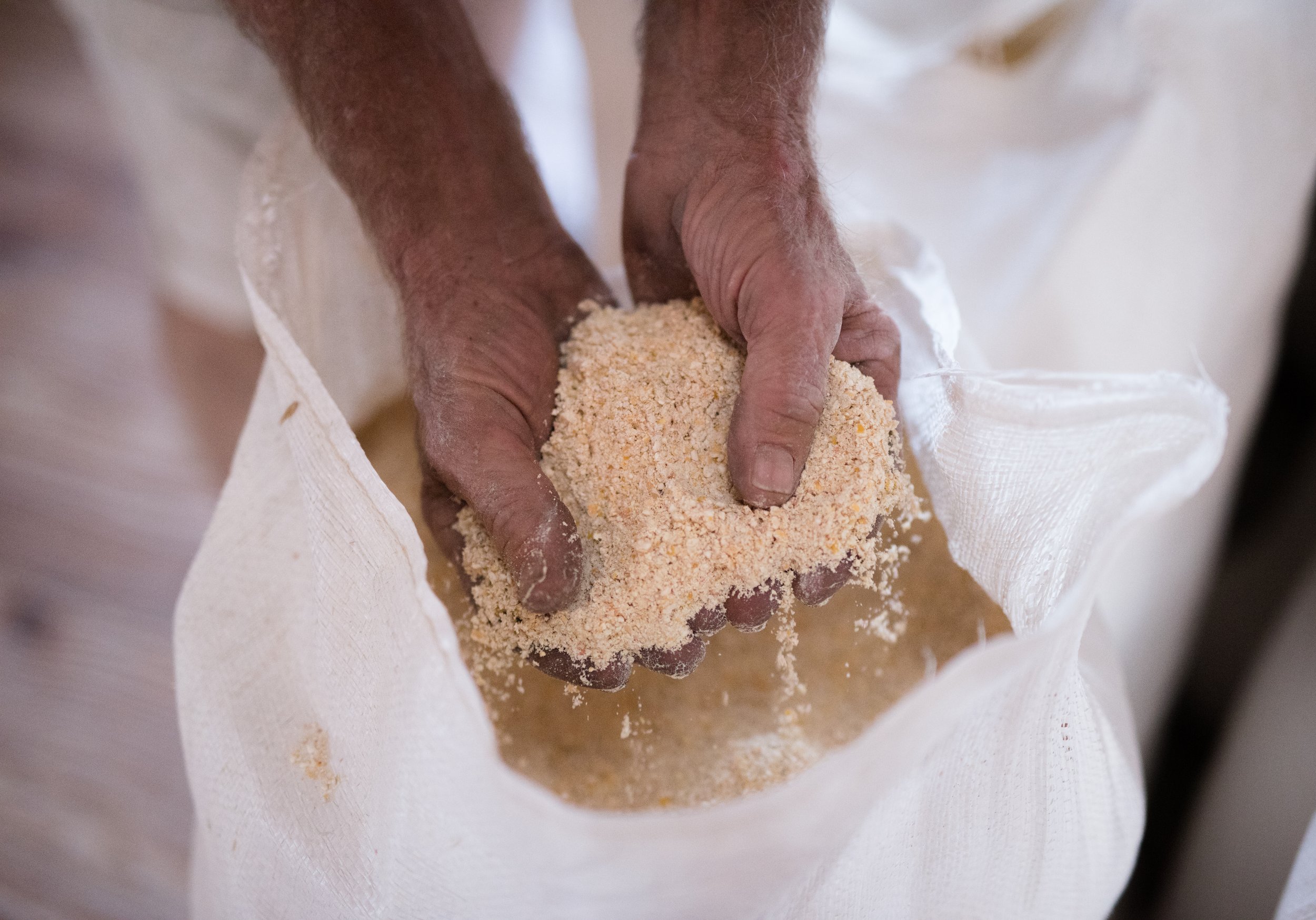
Animal Feed Production
The high-protein fiber that remains after soybean oil has been removed is toasted and processed into animal feed for pigs, poultry, cattle, fish, and pets. In North Carolina, poultry farms are the largest consumers of soy, accounting for roughly 2 million tons of soymeal annually. Soy protein is also increasingly used in fish feed for home aquariums and farm-raised seafood.

Other Uses

Tennis shoes made with soybean oil

Goodyear tire company makes tires using soybean oil instead of petroleum

Wall insulation made with soybean oil

Soybean oil can increase collagen production in skin and increase hydration

Shingle sealant

Crayons made with soybean oil are non-toxic
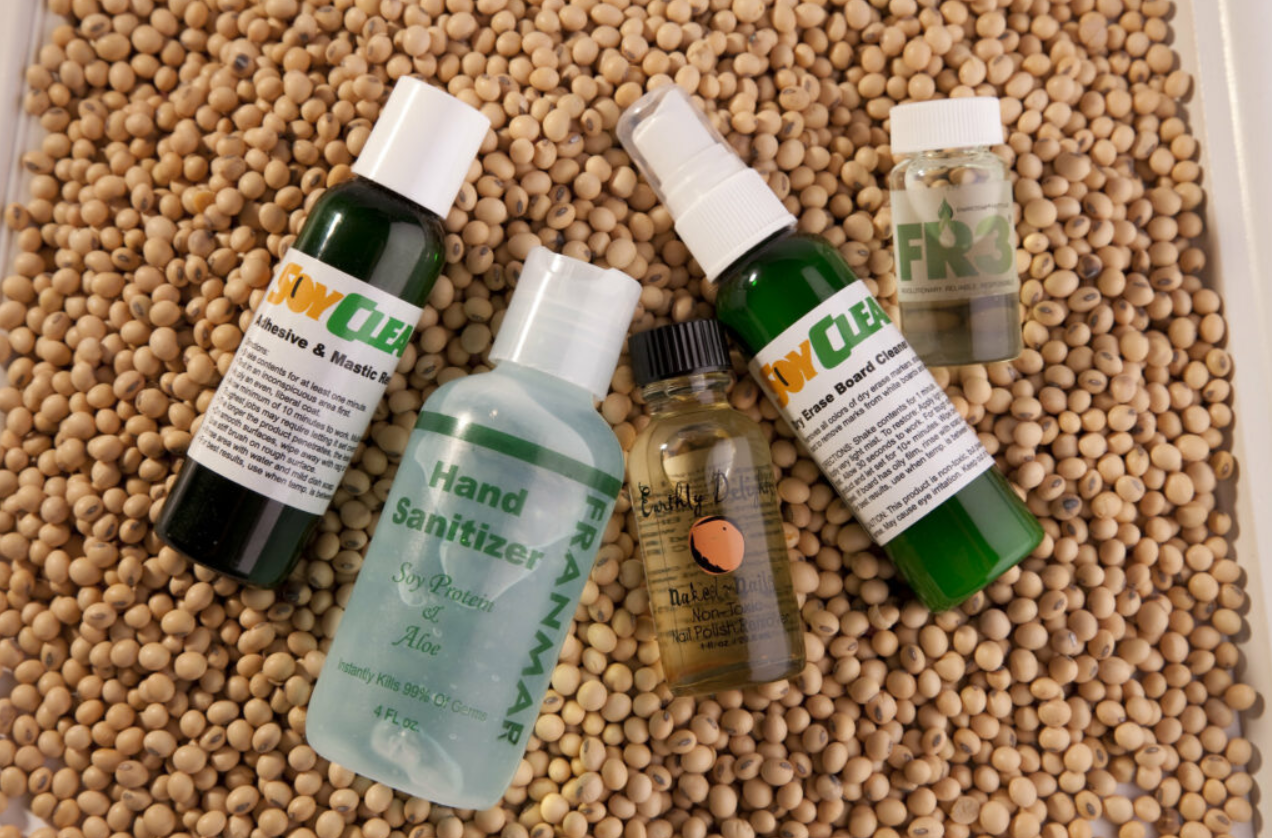
Soy-based cleaners
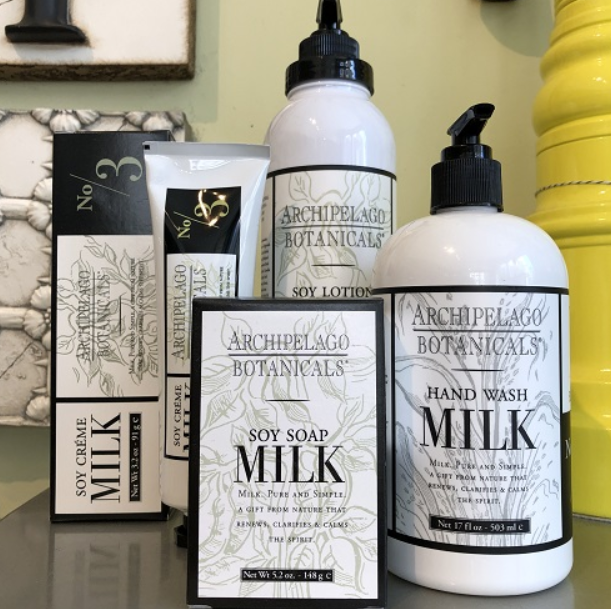
Soy based cosmetics bring a variety of skincare benefits
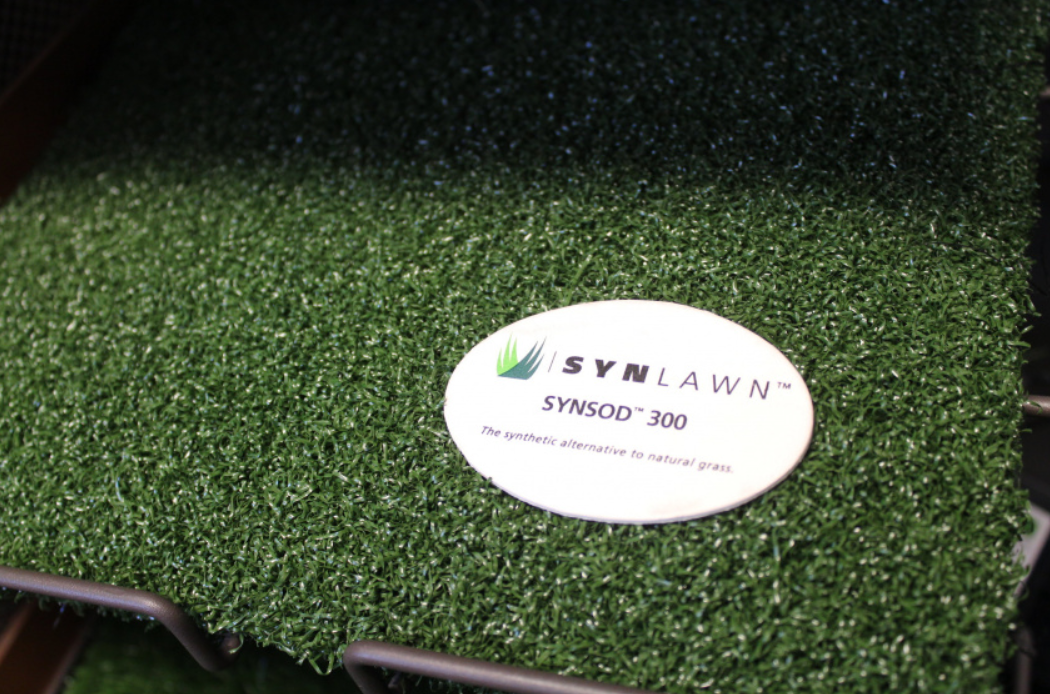
Turf grass designed with soybean oil

Soy-based paint

Candles with soybean oil produce less black soot and burn longer
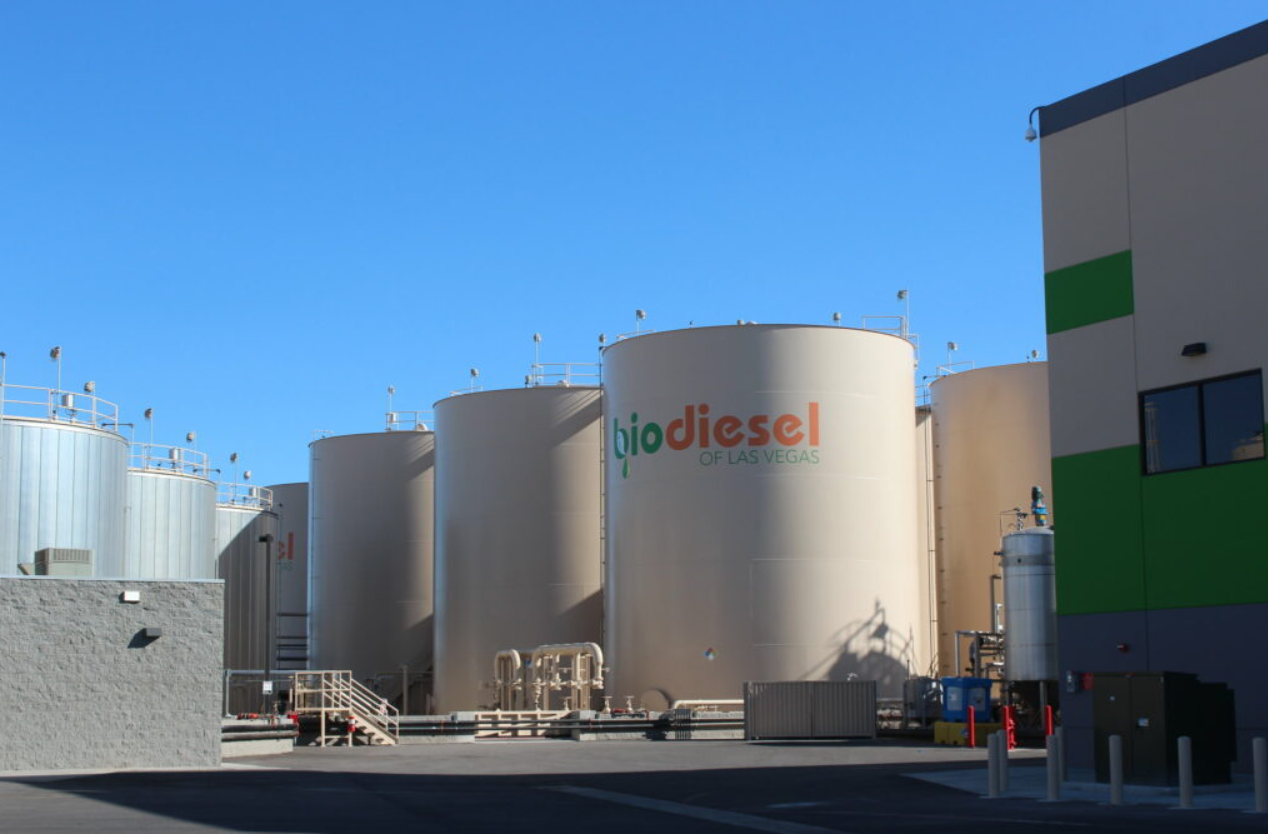
Biodiesel is a fuel that can be made from soybean oil

SoyFoam is used to fight fires