
Seeding Rate
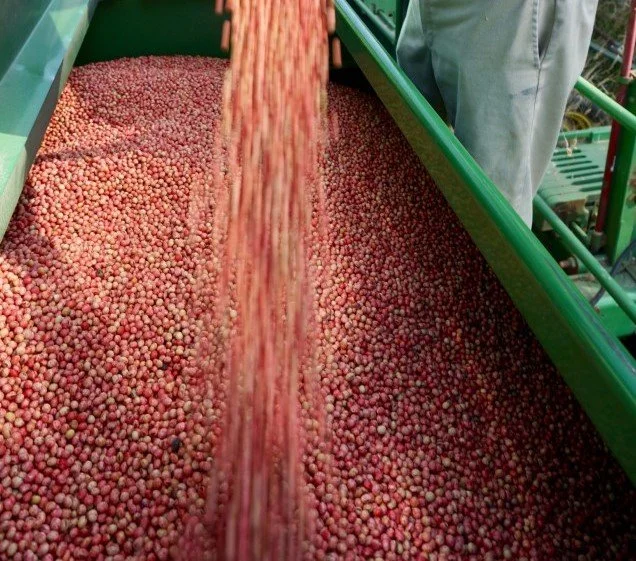
Seed is one of the most expensive inputs for soybean growers, so it’sessential to plant the right amount of seed to minimize input costs while stillmaintaining high yields, especially in years like this year where prices are low,and margins are tight.
Numerous seeding rate studies carried out across the U.S. suggest that the optimal plant population for maximum return on investment is 80,000 to 120,000 plants per acre. We’ll take a deeper look at some of this research below.
First, is work carried out by Dr. Dunphy right here in North Carolina evaluating a wide range of plant populations. In the graph below, notice that there is very little yield difference (especially for the earlier planting dates) in the treatments after you pass 100,000 plants per acre, suggesting there is no value in planting higher populations. This work includes data collected from over 50 different environments but focused on later maturing, determinate varieties.

Next we’lltake a look at some preliminary work carried out by Dr. Rachel Vann and countyextension agents on early maturing varieties. This research was conducted lastyear on maturity group III and IV varieties. Six different seeding rates wereevaluated ranging from 60,000 to 160,000 seeds/A. Combining data acrosslocations, soybean yield declined at the lowest seeding rates (60,000 and80,000) and stabilized at rates greater than 100,000 seeds/A. Yield declines atlower seeding rates were generally more pronounced in high yieldingenvironments. This suggest that even forour earlier maturing indeterminate varieties, shooting for 100,000 plants/Awould maximize ROI.

This research demonstrates that soybean plants have theunique ability to adapt and the plants can compensate for a wide range ofplanting populations. The yield per acre remains relatively constant acrossplanting rates, likely because the seeds produced per plant is inverselyrelated to the number of plants per acre.
However, this graph shows how yield is correlated withplants/acre. When you are deciding how much seed to use, you need to considerthe germination rate. We would expect tosee poorer seed quality and lower germination in some varieties this year dueto adverse weather in 2018. You should check the reported germination foreach seed lot and adjust your planting rate accordingly to get the desirednumber of plants/acre.
So, is a 2 or 3 bushel per acre increase in yield, worth theextra cost of seed? Well, assuming a seed cost of $60 a bag (that’sapproximately $0.40 per thousand seed) we can calculate the cost of seed forthese populations.

Topay for the cost of going from 100,000 seed/acre to 200,000 you would need toincrease yield by 4.3 bu/acre (assuming $10 soybeans).Based on the data collected in North Carolina and across the U.S., we would notexpect this may not be a profitable decision.
While reducing seeding rates can help save on input costs,remember to there are times when higher populations may be beneficial (as wesaw in our On-Farm research trials). Higher rates are recommended for thefollowing:
- Very early planting
- Late planting (after July 1)
- Low productivity soils
- Planting with a drill
I know many of you are not comfortable going below 100,000plants per acre, and I’m not suggesting you all do that, as you know yourfields best. But I would challenge you to try a seeding rate a littlelower than you typically use. This is an easy way to save money in tight economic timeswithout sacrificing significant (if any) yield.