
There's a Problem and It's Not Just China
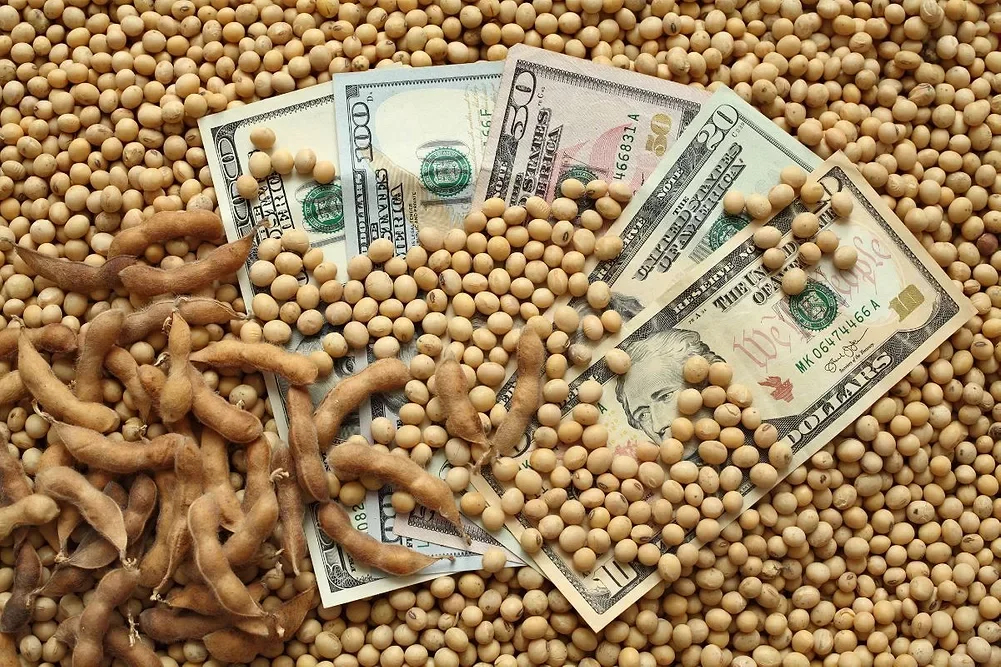
China has not purchased any U.S. soybeans in the new marketing year that started September 1, and that is a huge problem for U.S. farmers. When the customer that historically buys 25% of U.S. production in just a few months’ time fails to materialize, farmers feel immediate pain. U.S. and North Carolina row crop farmers may be heading into a farm crisis, and it’s not just about China. There’s an underlying problem that’s at the root of the emerging crisis. The prices farmers receive for the soybeans and corn they produce have not fundamentally changed in the last 15-20 years.
In North Carolina, the revenue from soybeans at the farm gate – the first point of sale for the farmer, whether at a grain elevator or a soybean processor, has not kept up with inflation. In fact, despite some highs and lows that reflect crop volume and short periods of higher or lower prices, the revenue from the 2024 crop looks a lot like the revenue from 2017, and it’s less than the revenue in 2012 and 2014. Compare that to a basic indicator of consumer price increases – the cost of a cheeseburger. A cheeseburger at McDonald's cost approximately $1.00 to $1.29 in 2012 and was around $2.40 to $3.89 in 2024. The North Carolina soybean farmer runs a business where the cost of every input has increased over the last 20 years, and the cost of feeding the family, clothing the kids, paying for health care, and so on has similarly increased. The revenue from the farm business has not increased to keep pace.
If there is a bit of a silver lining, it’s that soybean prices did reset the trend line somewhat higher in the period of 2008-2025. Not that the revenue grew year to year in the period, just the new, flat trend line was elevated over the old, flat trend line that stretched from 1972 to 2008. In that period, soybean prices really didn’t rise much at all. What’s that like in real life? If you farmed with your dad in the 1980s and 1990s, you experienced inflation in everything you purchased, and you got paid about the same for your beans. In 2008, you got a bump up. Now you farm with your son or daughter, and in the last 15 years, the cost of everything you purchased has increased, and you got paid about the same for your beans.
It's more than a shame that U.S. farmers must count on a stellar year (great weather, great prices) to bank money to make it through the next several lean years. Agriculture shouldn’t work like that, it’s too important an endeavor. American agriculture is the literal headwaters of the world’s food and nutrition supply chain. The farmer has been driven into a financial situation that’s not sustainable, and part of the issue is the failure of corn and soybean prices to keep pace with the cost of everything else.